
Back or neck pain can affect nearly every part of daily life, from mobility and sleep to work and overall quality of life. For many people, symptoms improve with conservative care such as physical therapy, medications, or injections. When pain persists, worsens, or begins to interfere with nerve function, spine surgery may become an appropriate option.
Understanding the different types of spine surgery and when they’re needed helps patients feel more confident during the decision-making process. Not all spine conditions require surgery, and not all surgeries are the same. Each procedure is designed to address specific spinal problems, anatomy, and symptoms.
In Orange County, CA, Dr. Alexander Taghva is a board-certified neurosurgeon who specializes in advanced spine surgery procedures, including minimally invasive techniques and complex spinal reconstruction. Careful evaluation, precise diagnosis, and personalized treatment planning are central to determining whether surgery is needed and which approach is most appropriate.
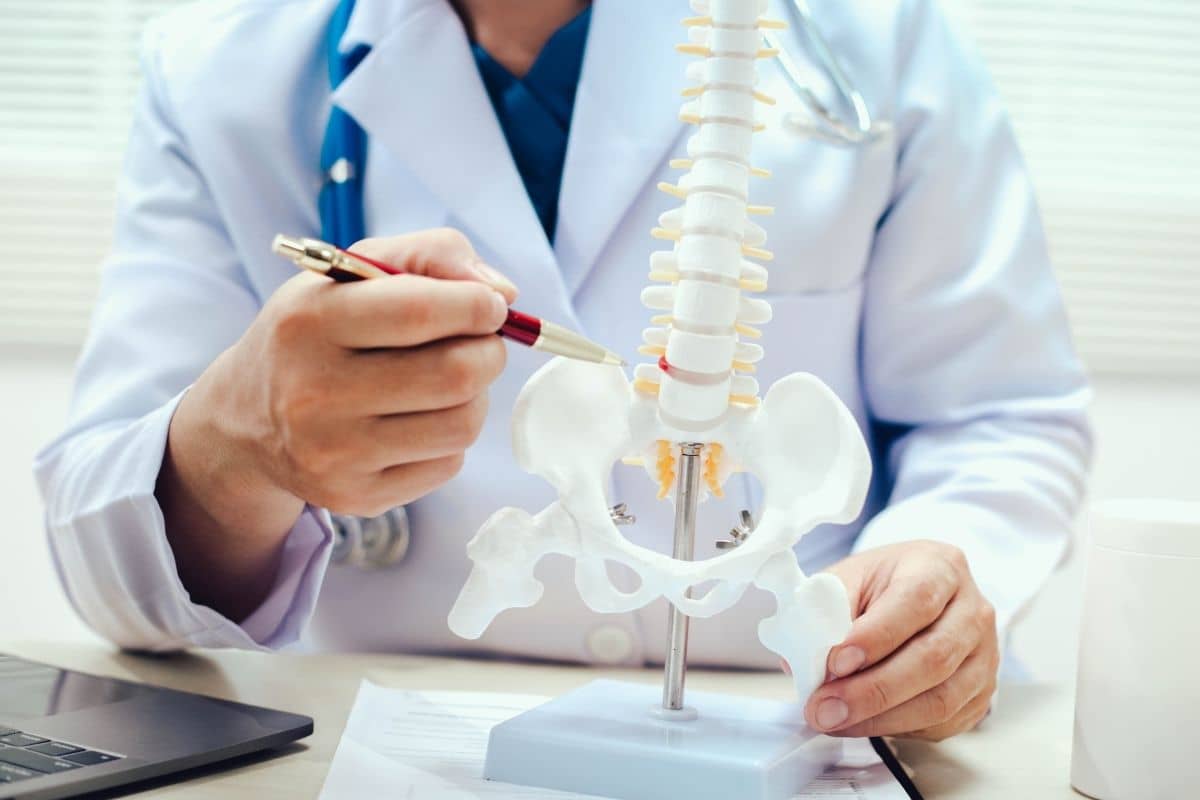
Key Points to Know Before Considering Spine Surgery
- Spine surgery is typically recommended only after conservative treatments fail to relieve symptoms.
- Different types of spine surgery address different causes of back or neck pain.
- Minimally invasive techniques may reduce tissue disruption and recovery time for eligible patients.
- Spinal fusion and disc replacement serve different purposes depending on spinal stability and motion.
- Early evaluation by an experienced spine surgeon can help prevent long-term nerve damage.
When Is Spine Surgery Actually Necessary?
Spine surgery is generally considered when symptoms are persistent, progressive, or neurologically concerning. Many spinal conditions improve without surgery, but there are situations where delaying treatment can lead to worsening pain, nerve damage, or loss of function.
Surgery may be recommended when back or neck pain does not improve after weeks or months of non-surgical treatment, when nerve compression causes weakness or numbness in the arms or legs, or when spinal stenosis limits walking or standing. Structural issues such as degenerative disc disease, herniated discs, or spinal instability may also warrant surgical intervention.
A thorough evaluation by a spine surgeon includes advanced imaging, physical examination, and a review of prior treatments. The goal is always to determine whether surgery is necessary and, if so, which procedure offers the safest and most effective solution.
Patients Testimonials
-

- Christina C.



Surgical Approaches Used to Treat Spine Conditions
There are many different types of spine surgery procedures, each designed to address specific problems within the spinal canal, discs, or vertebrae. Some procedures focus on relieving pressure on the spinal cord or nerves, while others stabilize the spine to prevent abnormal motion.
Advances in spinal surgery now allow many procedures to be performed using minimally invasive techniques when appropriate. These approaches aim to reduce muscle disruption, blood loss, and recovery time while maintaining surgical precision.
Below is an overview of common types of spine surgery and when they’re typically used.
Minimally Invasive Laminotomy (Lumbar Decompression Surgery)
A laminotomy is a type of spinal decompression surgery that removes a small portion of the lamina, the bone covering the spinal canal. This creates additional space for compressed nerves.
This procedure is commonly used to treat lumbar spinal stenosis and nerve compression that causes leg pain, weakness, or numbness. Because only a limited amount of bone is removed, spinal stability is often preserved. Minimally invasive laminotomy may be appropriate for patients with localized nerve compression without significant spinal instability.
Minimally Invasive Discectomy (Lumbar Discectomy)
A discectomy removes the portion of a herniated disc that is pressing on a nerve. Lumbar discectomy is frequently performed for patients with sciatica or radiating leg pain caused by disc herniation.
This type of disc surgery may be recommended when symptoms persist despite physical therapy, medications, or injections, and imaging confirms nerve compression. Minimally invasive techniques allow surgeons to relieve pressure on the nerve while minimizing disruption to surrounding tissues.
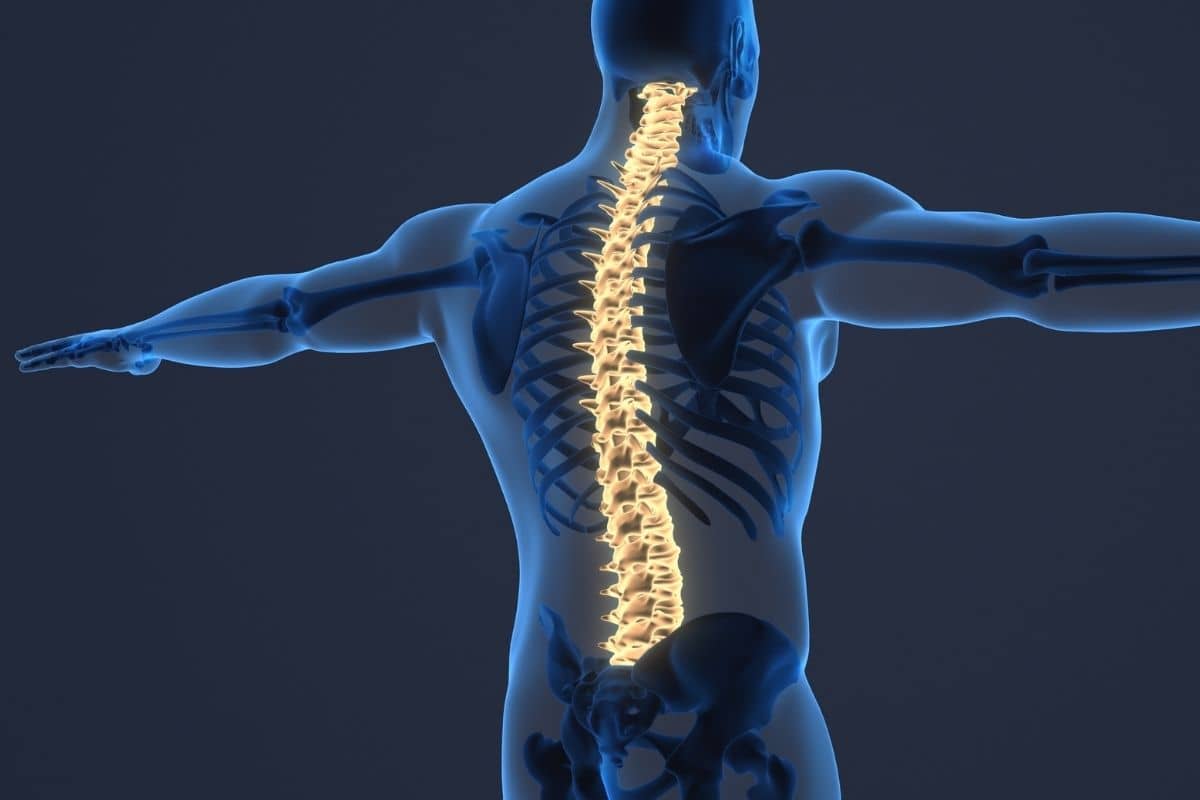
Anterior Cervical Discectomy and Fusion (ACDF)
Anterior cervical discectomy and fusion is a common neck surgery used to treat cervical disc disease and spinal cord or nerve compression. During ACDF, the damaged disc is removed through the front of the neck and the affected vertebrae are stabilized with a fusion.
ACDF may be recommended for patients with neck pain accompanied by arm pain, numbness, or weakness, as well as those with degenerative disc disease or spinal cord compression. Spinal fusion in the cervical spine eliminates motion at the treated level to restore stability and relieve nerve irritation.
Minimally Invasive Foraminotomy
A foraminotomy enlarges the opening where spinal nerves exit the spinal canal. When this space becomes narrowed, nerve compression can lead to pain, tingling, or weakness in the arms or legs.
Minimally invasive foraminotomy is often used to treat foraminal stenosis and localized nerve compression. The procedure focuses on relieving pressure while preserving as much normal spinal anatomy as possible.
Anterior Lumbar Interbody Fusion (ALIF)
Anterior lumbar interbody fusion is a spinal fusion surgery performed through the abdomen to access the lumbar spine. The damaged disc is removed and replaced with an implant that restores disc height and stability.
ALIF may be appropriate for patients with degenerative disc disease, disc collapse, or certain forms of spinal instability. This approach avoids back muscles and allows placement of larger implants, which may help restore spinal alignment.
Posterior Lumbar Fusion (PLIF / TLIF)
Posterior lumbar fusion procedures stabilize the spine from the back. PLIF and TLIF techniques differ slightly, but both aim to achieve spinal fusion while relieving nerve compression.
These procedures are commonly used for spinal instability, recurrent disc herniation, or degenerative spinal conditions that require stabilization. Fusion surgery limits abnormal motion between vertebrae that can contribute to chronic back pain.
Minimally Invasive Lateral Fusion (XLIF)
XLIF is a minimally invasive spinal fusion technique performed from the side of the body. This approach allows access to the spine without cutting through major back muscles.
XLIF may be used to treat degenerative disc disease, spinal deformity, or conditions requiring fusion at multiple levels. For appropriately selected patients, this technique may support reduced muscle disruption and a smoother recovery.
Total Disc Replacement (Artificial Disc Replacement)
Artificial disc replacement is an alternative to spinal fusion for select patients. Instead of fusing the spine, the damaged disc is replaced with an artificial disc designed to preserve motion.
Disc replacement surgery may be considered when disc degeneration causes pain without significant instability and when patients meet specific anatomical criteria. Not all patients are candidates, but for some, this approach can maintain natural movement while relieving pain.
Revision Spine Surgery
Revision spine surgery is performed when patients continue to experience pain or neurological symptoms after prior spinal surgery. These cases are often more complex and require careful planning.
Revision procedures may address issues such as persistent nerve compression, spinal instability, hardware complications, or adjacent segment disease. Experience and precision are especially important when performing revision spine surgery.

Best Neurosurgeon in Orange County
Dr. Taghva specializes in the treatment of neck pain, low back pain, sciatica, brain tumors, Parkinson’s disease, as well as other conditions requiring brain or spine surgery.

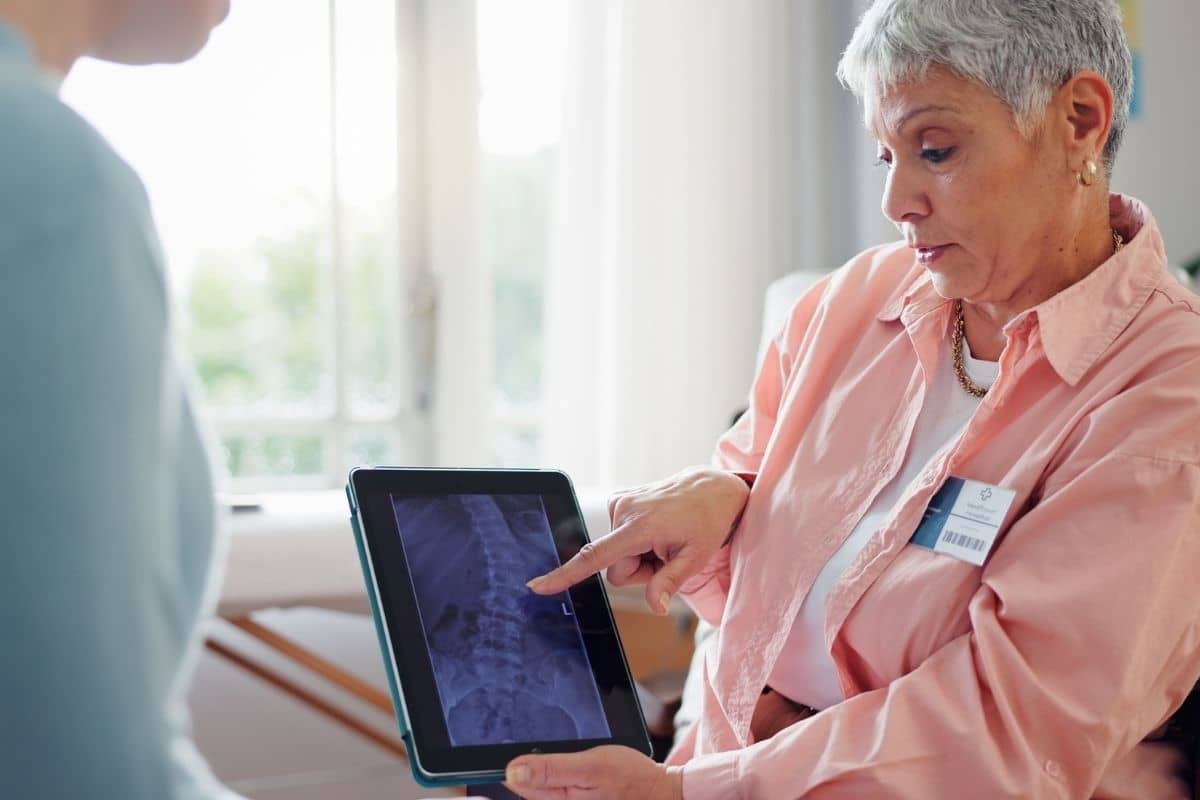
Why Early Evaluation Matters
Persistent back or neck pain should not be ignored. Early evaluation allows a spine specialist to identify problems before nerve damage becomes permanent and may expand treatment options.
Delaying care can lead to progressive neurological symptoms, increased pain, and longer recovery times. An early consultation does not mean surgery is inevitable, but it does provide clarity and guidance.
Why Choose Dr. Taghva for Spine Surgery in Orange County, CA?
Dr. Alexander Taghva is a board-certified neurosurgeon with advanced training in spine surgery and complex spinal conditions. His approach emphasizes precision, patient safety, and individualized treatment planning.
Patients benefit from expertise in minimally invasive spine surgery, comprehensive evaluation, and care tailored to their anatomy, symptoms, and long-term spinal health goals. Treatment decisions are guided by both symptom relief and preservation of neurological function.
Don’t Wait for Pain to Get Worse
Chronic back or neck pain can gradually limit mobility, independence, and quality of life. If symptoms persist despite conservative care or continue to worsen, a consultation with a spine surgeon can help clarify next steps and available treatment options.
Moving Forward with Confidence
Spine surgery is not one-size-fits-all. The right procedure depends on the cause of pain, spinal anatomy, and individual goals. With accurate diagnosis and expert surgical planning, many patients experience meaningful relief and improved function.
If you are experiencing ongoing back or neck pain, scheduling an appointment with a spine specialist can be an important step toward understanding what treatment is truly needed.
FAQs About Spine Surgery
Yes. Some spinal conditions, particularly those involving nerve compression, can worsen over time. Delaying evaluation or treatment may increase the risk of permanent nerve damage or limit surgical options.
Spine surgery is typically considered after non-surgical treatments fail to relieve symptoms. However, certain neurological deficits or structural problems may warrant earlier surgical evaluation.
Recovery experiences vary depending on the type of spine surgery and individual factors. Minimally invasive procedures may reduce postoperative discomfort, and pain management plans are tailored to each patient.
Persistent pain after spine surgery does not always mean the original surgery failed. Revision spine surgery or other targeted treatments may help, but careful evaluation is essential.