
Minimally invasive spine surgery is a modern option designed to relieve painful spine conditions while limiting disruption to muscles and tissue. If you have tried conservative treatments such as physical therapy, medicine, or injections, you may begin wondering whether surgery will truly help.
One of the biggest questions people ask is about the minimally invasive spine surgery success rate. How well does it work, and what affects the outcome?
In Orange County, CA, board-certified neurosurgeon Alexander Taghva, MD, FAANS specializes in advanced minimally invasive techniques for the lumbar and cervical spine. These approaches use small incisions and image guidance to target the problem area while preserving healthy tissue. Understanding what influences successful results can help you feel confident as you decide on the best treatment path for your spine health.
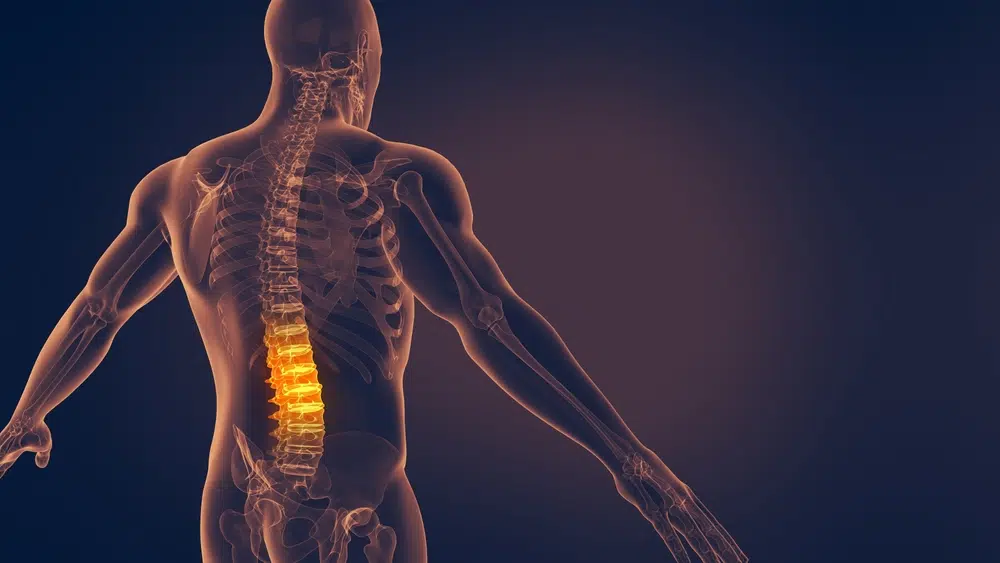
What Success Means for Minimally Invasive Spine Surgery
Success is defined by improvement in the symptoms that limit your daily life. Many patients are looking for relief from nerve compression, back pain, or mobility problems that have become difficult to manage.
People often judge success by:
- Reduced pain
- Better ability to move
- Easier return to normal routines
- Less reliance on medication
- Fewer limitations caused by nerve symptoms
Studies show that many patients undergoing minimally invasive spine procedures experience significant improvements. When pressure is removed from the nerves, issues such as shooting leg pain, weakness, or numbness can improve quickly. With reduced tissue damage at the surgical site, recovery time can also be shorter compared with traditional surgery.

Minimally Invasive Procedures and Their Success Rates
Dr. Taghva uses minimally invasive techniques to perform a variety of spine surgeries. Each procedure is designed to treat the specific area of concern while helping patients maintain stability and mobility whenever possible.
Microdiscectomy for Herniated Discs
A herniated disc can press on nerves, causing sharp, radiating pain. Microdiscectomy uses very small incisions to remove the piece of disc causing pressure.
Many patients notice relief shortly after surgery. When nerves are no longer compressed, the leg or arm symptoms they cause often improve steadily over time.
Minimally Invasive Spine Decompression
Spinal stenosis happens when the space around nerves becomes too tight. Minimally invasive decompression, such as laminotomy, carefully removes a small portion of bone or ligament to create a more comfortable pathway for the nerves.
Because this method helps protect muscles and tissue, recovery can feel smoother, with less postoperative pain. Many patients report they can stand and walk longer without discomfort as healing continues.
Minimally Invasive Spinal Fusion
When the spine becomes unstable, vertebrae may need to be supported with fusion. Conditions like spondylolisthesis or degeneration can make movement painful, and fusion helps stabilize the spine during motion.
Minimally invasive fusion techniques reduce tissue disruption by using narrow surgical corridors. Patients may benefit from restoration of stability and may notice improved comfort with everyday movement.
Some patients with cervical spine degeneration may qualify for motion-preserving disc replacement. A consultation helps determine whether this approach fits your condition and goals.
How Techniques Differ in Minimally Invasive Spine Surgery
Minimally invasive spine surgery can be performed in several ways, depending on the location of the problem and the structures involved. Even if two patients share similar symptoms, the safest surgical approach may be different.
These procedures may use tools such as tubular retractors, surgical microscopes, or endoscopic visualization to reach the spine through small incisions. Fluoroscopy helps guide the instruments in real time so the neurosurgeon can work precisely around nerves and delicate tissue.
Some cases may benefit from motion-preserving strategies in the cervical spine, while lumbar conditions may require stability during movement. And when symptoms respond to nonsurgical care, those options are always prioritized first.
Your consultation plays a crucial role in determining which minimally invasive technique supports the best possible outcome with the least disruption to muscles and tissue.
Patients Testimonials
-

- Christina C.



Benefits of Minimally Invasive Spine Surgery
Traditional spinal surgery often requires cutting through muscle to reach the affected area. Minimally invasive techniques protect natural structures by gently separating tissue instead of removing it.
Patients may appreciate:
- Smaller incisions
- Reduced blood loss
- Lower infection risk
- Shorter hospital stays or treatment on an outpatient basis
- Earlier return to activity
- Less scar tissue that can irritate the area later
Minimally invasive approaches also help maintain support from the soft tissues around the spine. With less muscle disruption, the spine can continue to move and function more naturally during recovery.
When swelling is reduced, sitting, standing, and walking can feel more manageable sooner. This is especially valuable for those with busy schedules, work obligations, or caregiving responsibilities.
Why Surgeon Experience Matters in Spinal Surgery
Working through small incisions requires precise navigation around nerves and delicate structures. A neurosurgeon with specialized training in minimally invasive surgery helps reduce potential complications and improve overall results.
Dr. Taghva provides personalized surgical planning based on imaging and examination findings. His goal is to recommend the least invasive approach that can provide effective and long-lasting relief.

Best Neurosurgeon in Orange County
Dr. Taghva specializes in the treatment of neck pain, low back pain, sciatica, brain tumors, Parkinson’s disease, as well as other conditions requiring brain or spine surgery.

Factors That Influence Success for Each Patient
Results vary because each spine and each condition is unique. The best outcomes typically come from a combination of the right diagnosis, the right procedure, and a strong recovery plan.
Your results may depend on:
- The severity of your spine condition
- Bone health and overall fitness
- Age and lifestyle
- Smoking or previous spine surgery
- Following recovery instructions
- Participation in physical therapy
Discussing these factors ahead of time helps set the right expectations for long-term improvement.
Who Is a Good Candidate for Minimally Invasive Treatment?
Minimally invasive spine surgery may be recommended when conservative treatments are no longer effective. It may be an option for:
- Herniated discs causing nerve irritation
- Spinal stenosis leading to difficulty walking
- Degenerative disc disease affecting mobility
- Spinal instability that makes movement painful
- Spondylolisthesis contributing to symptoms
Patients with higher Body Mass Index may find that smaller incisions and less soft-tissue disruption reduce healing concerns. A full evaluation ensures that any surgical approach is safe and personalized.

Recovery Time After Minimally Invasive Spine Surgery
Because minimally invasive surgery protects muscles and soft tissue, patients often recover faster than with traditional surgery. Some procedures are completed on an outpatient basis, while others require only a short stay.
Most patients begin walking soon after surgery. Gentle movement helps prevent stiffness and reduce discomfort. As healing continues, people often feel more confident performing daily activities such as climbing stairs or light household tasks.
Return-to-work timelines depend on the specific surgery and job requirements. Desk-based workers may be able to resume regular routines earlier than those who lift or bend often. Your surgeon will provide guidelines tailored to your needs.
Long-term recovery usually includes physical therapy to rebuild strength and support the spine. Improving posture and core muscles can help maintain surgical results and protect spine health in the future.
Spinal Surgery Consultation and Decision-Making Support
Spine surgery is a personal decision, and having expert guidance allows you to move forward with clarity. Dr. Taghva reviews imaging, symptoms, and medical history before recommending any procedure. If nonsurgical options still have potential to help, those will be explored first.
During a consultation, you’ll learn what improvements are realistic for your condition and what the recovery process looks like. Patients appreciate being fully informed before making their choice.
Feeling supported throughout the planning and healing process can make every step toward relief feel more manageable.
Frequently Asked Questions About Minimally Invasive Spine Surgery
Minimally invasive techniques involve smaller incisions, reduced tissue disruption, and shorter recovery time. Patients often experience less postoperative pain and are able to resume normal routines sooner.
Recovery ranges from same-day discharge to a brief hospital stay. Light activity begins early, and physical therapy plays an important role in long-term mobility as the spine heals.
Your plan is based on symptoms, imaging results, and how the spinal condition affects daily function. Surgeons decide whether nerve compression or spinal instability is present and whether nonsurgical methods have already been tried.
Many minimally invasive surgeries are performed under general anesthesia. In some cases, local anesthesia may be appropriate depending on the specific spinal level and surgical approach.
In select cases, minimally invasive techniques may be used for spinal tumors or certain spinal deformities if it is safe and appropriate. A consultation with Dr. Taghva helps determine whether this applies to your situation.
Talk With a Minimally Invasive Spine Surgery Specialist in Orange County
If back pain, nerve irritation, or spinal instability is affecting your daily comfort, a professional evaluation can help you understand whether minimally invasive spinal surgery may be the next step. Scheduling an appointment with Dr. Alexander Taghva ensures you receive expert guidance tailored to your spinal condition and long-term goals.